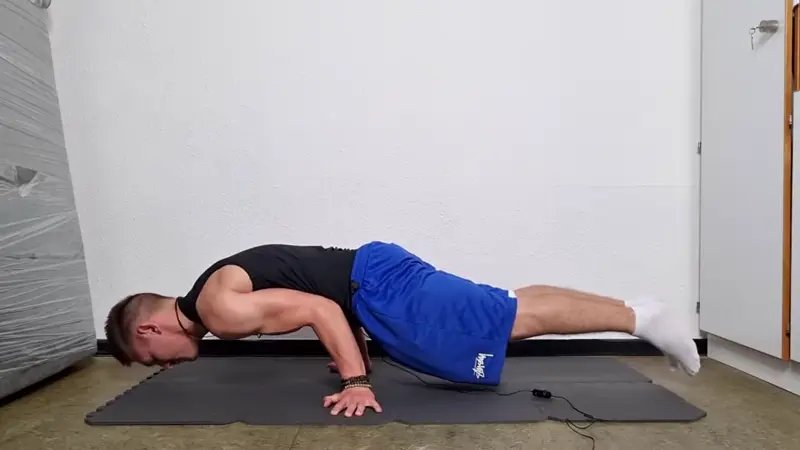
The elbow lever is the best value-for-effort skill in calisthenics: you plant your hands on the floor, dig your elbows into your midsection, lean forward, and your whole body floats horizontally on your arms. Most people get their first clean hold on the same day they start trying - often within ten minutes.
One thing to be clear about: this is not a bent-arm planche. In an elbow lever your bodyweight rests on your elbows. In a bent-arm planche it doesn't. Camera angles make them look identical; they aren't.
Prerequisites
You need very little to start, but these make it click faster:
- A 30-second plank - you have to know how to create full-body tension on demand
- 10 push-ups, so bent-arm support under load is familiar
- Warm, mobile wrists - this is a loaded wrist position and cold wrists will fight you
How to do it
Squat down and place your hands flat on the floor. From the ground up:
- Hands: flat, fingers spread, pointing backwards or out to the side - never straight forward. Sideways is the most common preference and matches how most people set up for planche work
- Elbows: bent and driven into your midsection, landing around the centre of your body - not up in the ribs, not down on the hips
- Elbow width: tucked in close. The wider your elbows sit, the harder the hold gets, so keep your bodyweight stacked directly over them
- Legs: start in a push-up position, legs straight and squeezed together. Open them into a straddle if that's too hard at first
- Body: tight from shoulders to toes. Tension is not optional - it's the whole move
- Lean: forward, until you find the sweet spot and your feet come up almost on their own
Learn more here:
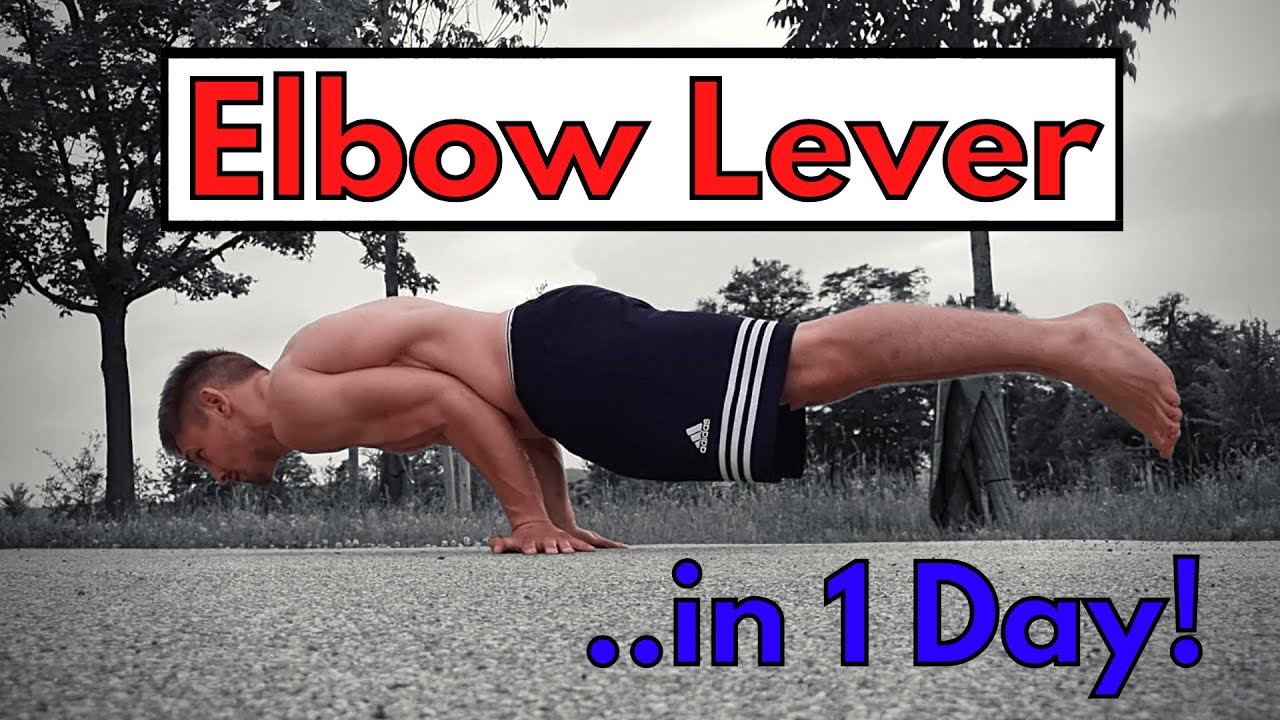
Video by Vitality
Key tips
- Tension the second your feet leave the floor. Loose, flapping legs are what makes this move feel hard - the same problem as a wobbly handstand
- Keep the elbows central and narrow. Too high, too low or too wide and the balance point disappears
- Warm the wrists up properly before you load them, and back off if anything pinches
- Expect to fine-tune. Everyone's arm-to-leg proportions differ, so the exact elbow position is personal - the technique isn't