---
title: Introduction
image: introduction.jpg
---
# Introduction to Skiing
## Welcome to Skiing!
Whether you're a complete beginner or looking to understand the basics, this introduction will help you get started.
Skiing is an exciting sport that combines balance, coordination, and technique. With practice and patience, anyone can learn to ski and enjoy the mountain.
## What You Need
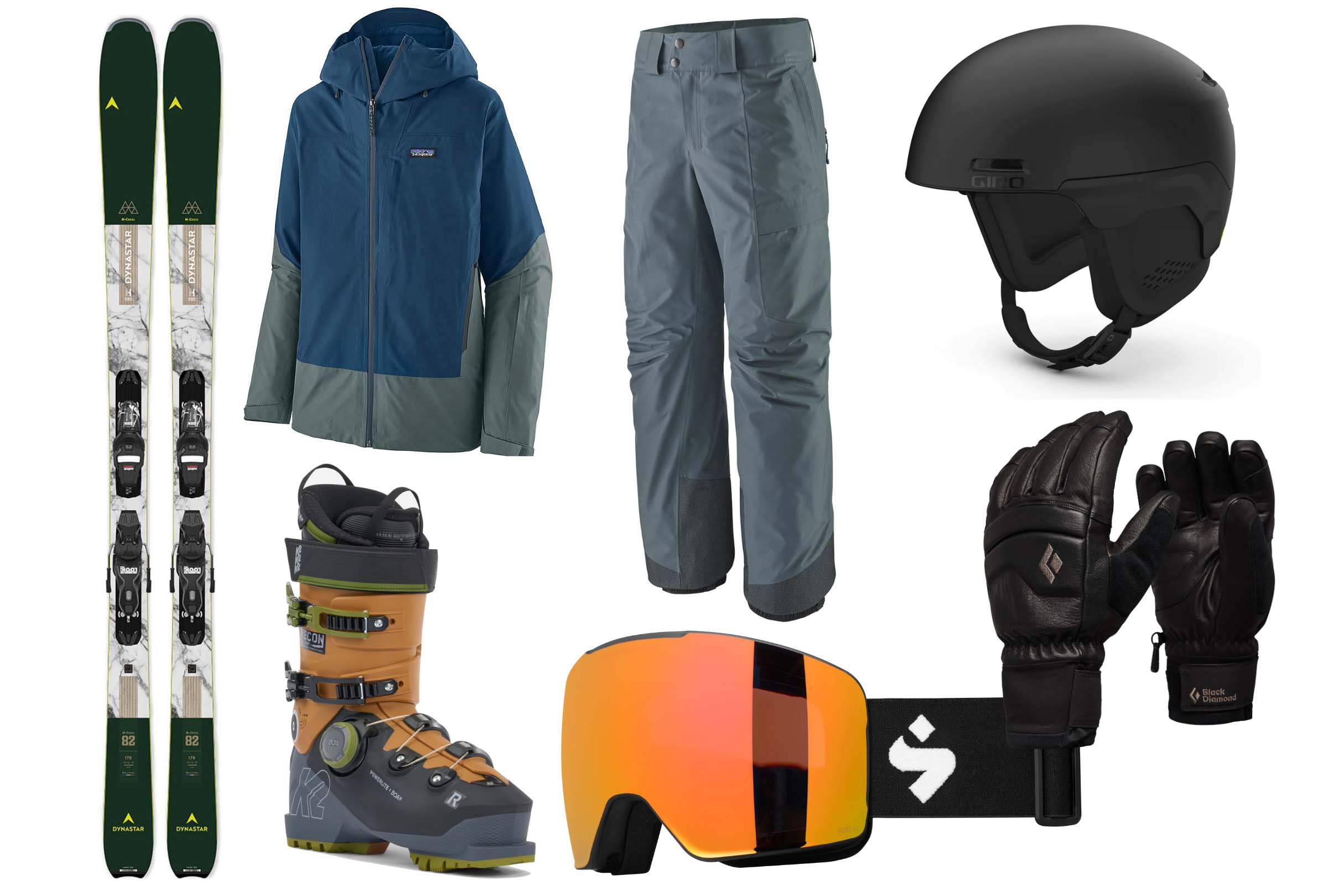
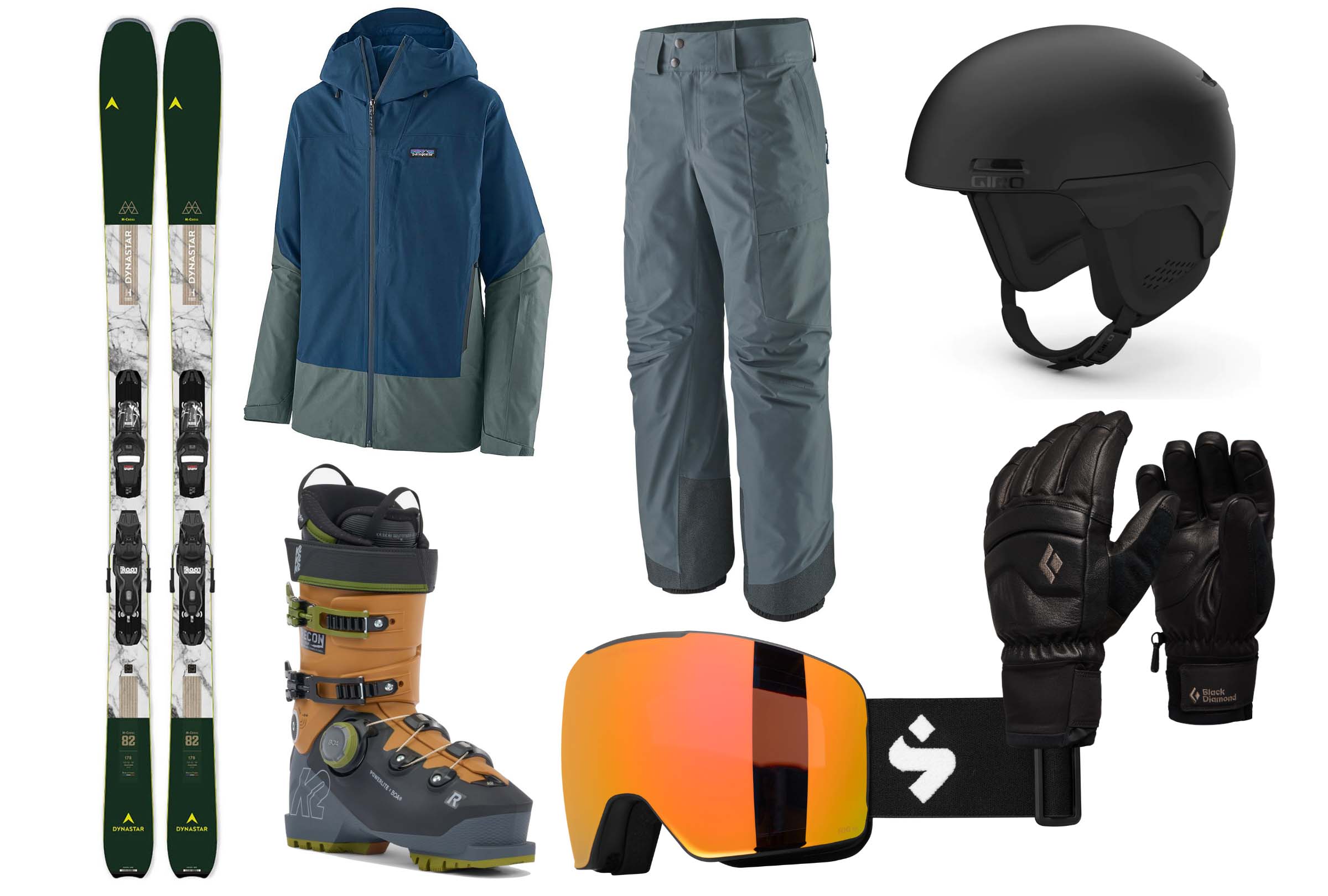
Before heading onto the slopes, make sure you have:
- **Skis:** Appropriate for your height and ability.
- **Ski boots:** Properly fitted for comfort and control.
- **Poles:** Used for balance and rhythm.
- **Helmet:** Essential for safety.
- **Goggles and gloves:** Protection from weather conditions.
- **Ski clothing:** Waterproof jacket and pants.
## Safety Basics
1. Always wear a helmet.
2. Learn to control your speed.
3. Look in the direction you want to go.
4. Keep your knees slightly bent and maintain a balanced stance.
5. Give priority to skiers downhill from you.
6. Never stop in narrow or poorly visible areas.
7. Stay on trails appropriate for your ability.
## Your First Steps on Skis

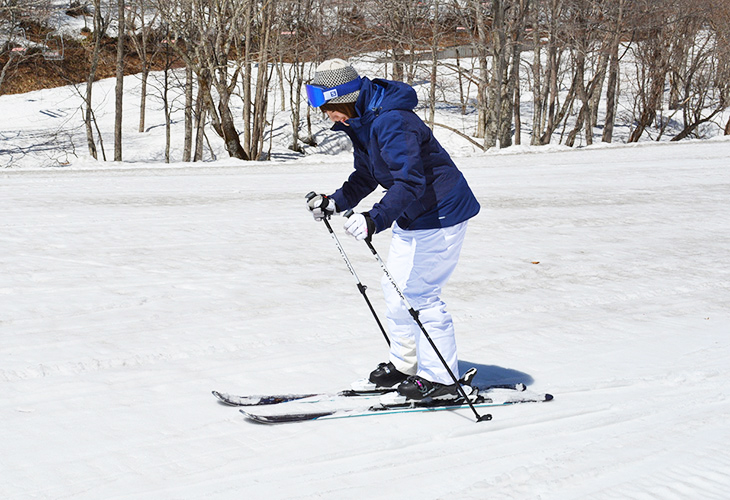
Start on flat terrain and become comfortable with your equipment.
Practise the following movements:
- Walking on skis.
- Side stepping uphill.
- Gliding on gentle terrain.
- Making a snowplow (wedge).
- Controlling your speed and stopping.
## Learning the Snowplow

Before skiing, remember these important principles:
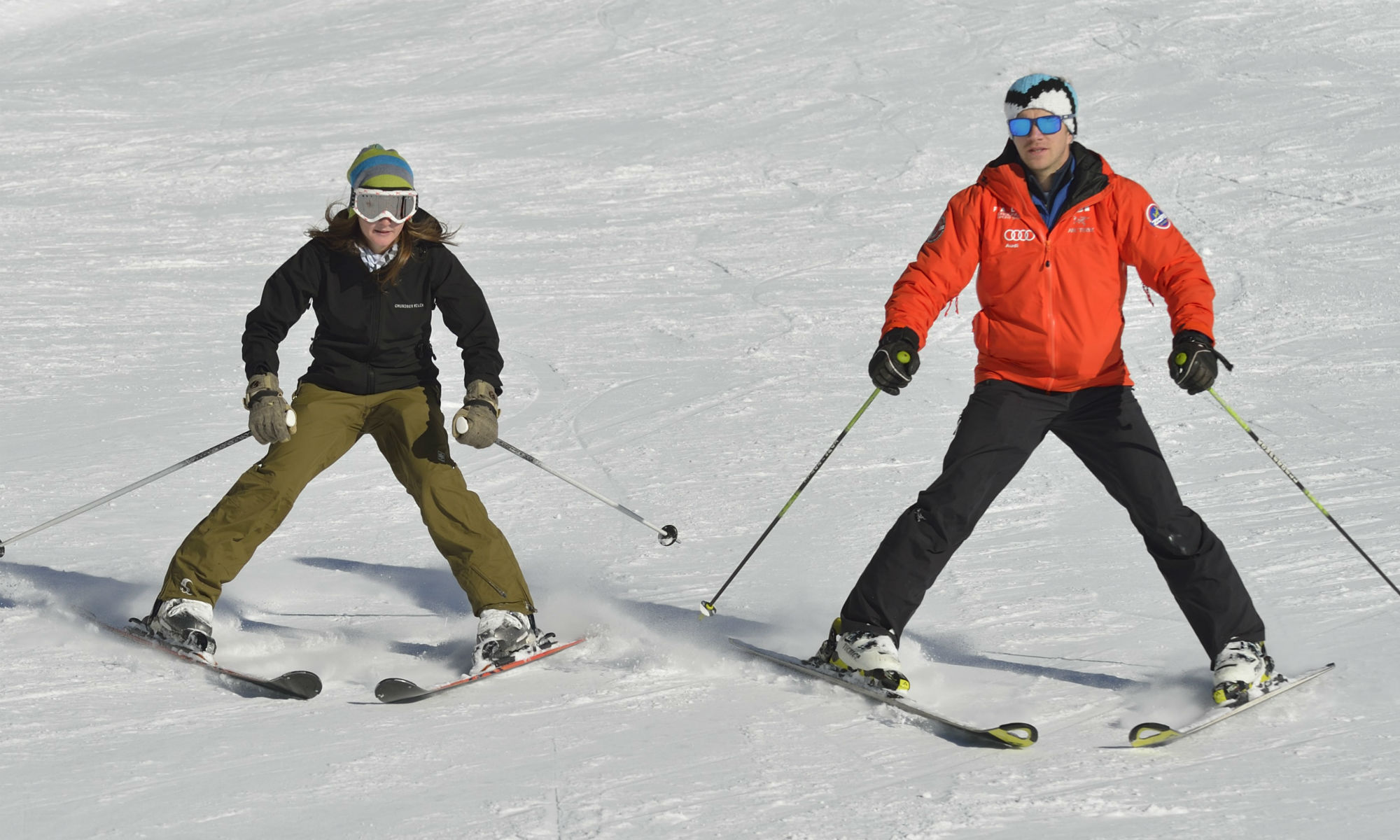
The snowplow, also called the wedge, is one of the first techniques beginners learn.
To perform it:
1. Keep your ski tips close together.
2. Push your heels outward to create a V shape.
3. Apply pressure to the inside edges of your skis.
4. Keep your knees slightly bent.
This position helps you control your speed and eventually make your first turns.
## Your Learning Progression
A typical beginner progression includes:
1. **Flat terrain:** Balance and equipment familiarization.
2. **Beginner slopes:** Gliding, snowplow, and stopping.
3. **Basic turns:** Learning to change direction.
4. **Green runs:** Linking turns and controlling speed.
5. **Blue runs:** Developing parallel skiing and edge control.
## Final Tips
- Start slowly and progress at your own pace.
- Practise your stopping and turning.
- Maintain a balanced athletic stance.
- Respect other skiers and mountain rules.
- Have fun and enjoy the learning process!
Remember, everyone starts somewhere. Every run is an opportunity to improve.
Introduction
Introduction to Skiing
Welcome to Skiing!
Whether you're a complete beginner or looking to understand the basics, this introduction will help you get started.
Skiing is an exciting sport that combines balance, coordination, and technique. With practice and patience, anyone can learn to ski and enjoy the mountain.
What You Need
Before heading onto the slopes, make sure you have:
- Skis: Appropriate for your height and ability.
- Ski boots: Properly fitted for comfort and control.
- Poles: Used for balance and rhythm.
- Helmet: Essential for safety.
- Goggles and gloves: Protection from weather conditions.
- Ski clothing: Waterproof jacket and pants.
Safety Basics
- Always wear a helmet.
- Learn to control your speed.
- Look in the direction you want to go.
- Keep your knees slightly bent and maintain a balanced stance.
- Give priority to skiers downhill from you.
- Never stop in narrow or poorly visible areas.
- Stay on trails appropriate for your ability.
Your First Steps on Skis
Start on flat terrain and become comfortable with your equipment.
Practise the following movements:
- Walking on skis.
- Side stepping uphill.
- Gliding on gentle terrain.
- Making a snowplow (wedge).
- Controlling your speed and stopping.
Learning the Snowplow
Before skiing, remember these important principles:
The snowplow, also called the wedge, is one of the first techniques beginners learn.
To perform it:
1. Keep your ski tips close together.
2. Push your heels outward to create a V shape.
3. Apply pressure to the inside edges of your skis.
4. Keep your knees slightly bent.
This position helps you control your speed and eventually make your first turns.
Your Learning Progression
A typical beginner progression includes:
- Flat terrain: Balance and equipment familiarization.
- Beginner slopes: Gliding, snowplow, and stopping.
- Basic turns: Learning to change direction.
- Green runs: Linking turns and controlling speed.
- Blue runs: Developing parallel skiing and edge control.
Final Tips
- Start slowly and progress at your own pace.
- Practise your stopping and turning.
- Maintain a balanced athletic stance.
- Respect other skiers and mountain rules.
- Have fun and enjoy the learning process!
Remember, everyone starts somewhere. Every run is an opportunity to improve.