

Introduction to Skiing
Welcome to Skiing!
Whether you're a complete beginner or looking to understand the basics, this introduction will help you get started.
Skiing is an exciting sport that combines balance, coordination, and technique. With practice and patience, anyone can learn to ski and enjoy the mountain.
What You Need
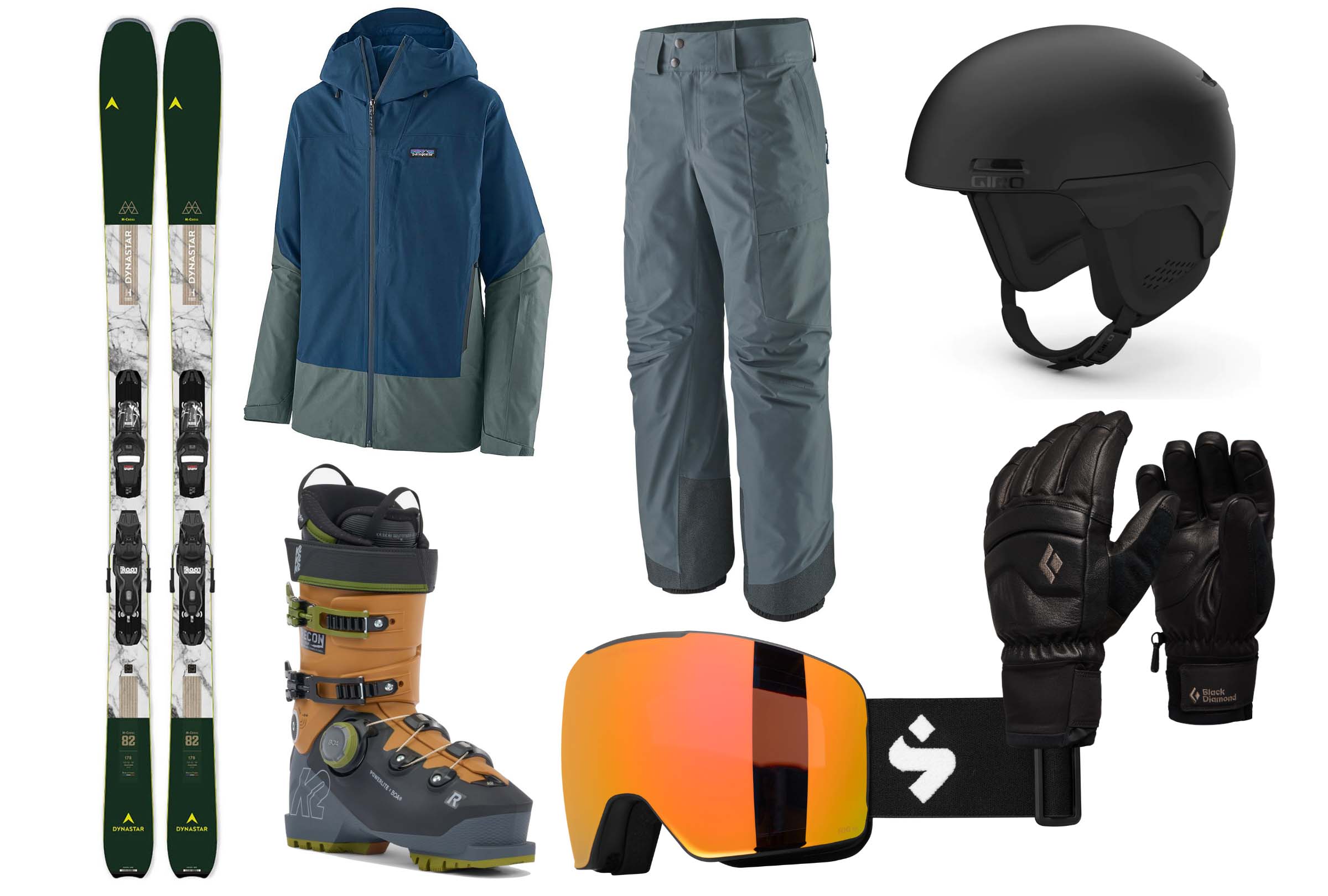
Before heading onto the slopes, make sure you have:
- Skis: Appropriate for your height and ability.
- Ski boots: Properly fitted for comfort and control.
- Poles: Used for balance and rhythm.
- Helmet: Essential for safety.
- Goggles and gloves: Protection from weather conditions.
- Ski clothing: Waterproof jacket and pants.
Equipment basics
Your local ski hire place can often rent you most of the gear you will need to enjoy yourself on the slopes including helmets, waterproof clothing and of course your skis, boots and poles. Often the will not have gloves and goggles to rent so consider borrowing some from friends and family or investing in your own. When starting out, expect your skis to be between chin and nose height, this will enable you to learn to stop and turn easily. There are many different types of ski but for now you will most likely rent a beginner piste ski for maximum progression. Please be sure to rent a helmet, all the cool kids do, it is a great way of keeping your head warm as well as protecting your brain from any crashes or collisions that can happen on the slopes.
Ski Boots
Ski boots are the most important part of equipment you will have, having correctly fitting ski boots can make or break your holiday. Everyone has different shaped feet, ankles and calves so it is important to let a professional fit the right boots for your feet in your rental shop. Here are some tips to help with your ski boots:
- Ensure you are only wearing one pair of socks, preferably ski socks, multiple layers in your boots can cause blisters and make the whole experience very unpleasant
- Make sure you have trimmed your toe nails, long nails can cause pressure on your toes and even lead you to have a boot that is too big for you
- Boots should feel like a firm handshake, snug around your feet and ankles with enough room to wiggle your toes, your feet should not be able to rotate at all
Safety Basics
- Always wear a helmet.
- Learn to control your speed.
- Look in the direction you want to go.
- Keep your knees slightly bent and maintain a balanced stance.
- Give priority to skiers downhill from you.
- Never stop in narrow or poorly visible areas.
- Stay on trails appropriate for your ability.
Your First Steps on Skis
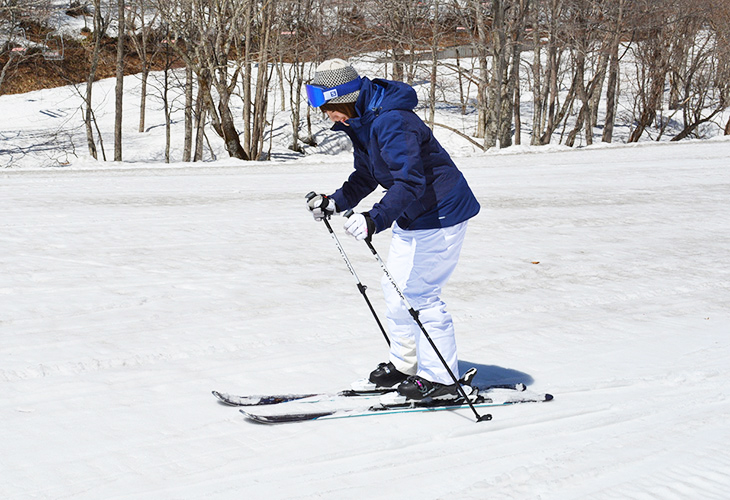
Start on flat terrain and become comfortable with your equipment. If possible as you start your journey into skiing, supplement these useful articles by booking some ski lessons, it will help you progress faster and master the basics. The first few times you go skiing can be the hardest, the content on these pages are an excellent way to progress your skills but in the very beginning when yours and others safety is paramount, learning in person with a professional can be the key to getting the most out of your trip.
Enjoy reading the following articles and practise the following movements:
- Walking on skis.
- Side stepping uphill.
- Gliding on gentle terrain.
- Making a snowplough (wedge).
- Controlling your speed and stopping.
Before skiing, remember these important principles:
Your Learning Progression
A typical beginner progression includes:
- Flat terrain: Balance and equipment familiarization.
- Beginner slopes: Gliding, snowplow, and stopping.
- Basic turns: Learning to change direction.
- Green runs: Linking turns and controlling speed.
- Blue runs: Developing parallel skiing and edge control.